
Industrial Flex Space Roofing in Chattanooga, TN
Industrial Flex Space Roofing starts with roof evidence before repair, restoration, recover, or replacement decisions are made.
Building
Protect the operation below
Industrial Flex Space Roofing in Chattanooga
Flex space is the chameleon of the commercial inventory. One bay might hold a light-manufacturing operation, the next a distribution hub, the one after that a contractor's shop or a tech tenant's lab, and the whole building can shift uses across lease cycles. Chattanooga has a lot of this product, from the older tilt-wall parks off Bonny Oaks Drive and Amnicola Highway to the newer multi-tenant buildings rising near Enterprise South and along the I-75 industrial corridor. The roof on a flex building has to perform through occupancy changes, tenant-improvement work, and the full range of mechanical loads those varied uses bring, which makes it a fundamentally different problem than a single-user warehouse with one tenant and one rooftop plan.
The defining trait of a multi-tenant flex roof is penetrations, and a lot of them. Every tenant build-out tends to add a rooftop HVAC unit, punch the membrane for new electrical or refrigerant runs, and set equipment that was never part of the original loading plan. Over years and several tenants, a flex roof accumulates modifications that almost never make it into the property records. That is why every flex scope we run in Chattanooga opens with a penetration inventory survey, not because anyone cut corners, but because nobody wrote down what changed.
What the Pre-Project Survey Catches
We photograph and map every penetration on the roof, compare it against the original construction documents where they exist, and flag anything non-standard or improperly sealed for remediation before new membrane goes down. This is the step that prevents warranty disputes later. A membrane manufacturer is not going to honor a leak that traces back to an abandoned tenant penetration nobody addressed, so we close those out first and document the condition so the warranty actually means something.
Vacancy Transitions Are a Hidden Risk
The riskiest moment for a flex roof is between tenants. When an occupant leaves and their HVAC units come off, the open curbs are often capped with temporary protection that fails within a rain event or two. Vacant bays also collect debris faster than occupied ones, and a clogged drain over an empty suite leads to ponding nobody is inside to notice. Any inspection we do on a building in lease transition confirms curb-cap status, verifies that former tenant penetrations are properly sealed, and checks that the drains are clear. For investors and property managers turning space, that walk is cheap insurance against an interior-damage claim from the incoming tenant.
Coordinating Across Multiple Tenants
Reroofing an occupied multi-tenant building is a coordination exercise as much as a construction one. We start from a bay-by-bay occupancy map and a lease-contact list from property management, identify which tenants have active rooftop equipment, which bays sit vacant, and which occupants are sensitive to noise or short HVAC interruptions. Work sequencing and daily dry-in run through the property manager, tenants get advance notice, and communication flows through one channel rather than the crew fielding calls from a dozen different businesses. The result is a project that moves without turning into a tenant-relations problem.
Warranty Coordination Across Changing Occupancy
Warranty is where flex buildings get owners into trouble. A no-dollar-limit membrane warranty depends on the manufacturer approving everything that penetrates the roof, and on a multi-tenant building new penetrations keep appearing every time a suite turns over. A tenant's own HVAC contractor sets a unit, cuts a curb, and walks away, and the work was never flashed to the warranted system or registered with the manufacturer. Six months later that opening leaks and the warranty claim is denied because the penetration was unauthorized. We help owners get ahead of this by documenting the warranted assembly clearly, defining a detail standard that tenant contractors have to follow for any future rooftop work, and offering to handle or inspect those tie-ins so the warranty stays intact across the life of the building. For a property that may see a dozen build-outs over a warranty term, that governance is worth more than the membrane upgrade.
Loads From Whatever the Next Tenant Brings
Because the use can change with every lease, the roof has to tolerate loads the original developer never anticipated: a heavier rooftop unit for a tenant that adds process cooling, a small mechanical screen, solar interest from a sustainability-minded occupant, or added foot traffic from a tenant whose equipment needs frequent service. We note the existing deck and structural capacity during the survey and flag where a future tenant's equipment would need a structural review before it goes up. Knowing that ceiling in advance keeps a leasing decision from quietly overloading a roof bay.
Membrane Choices and Mixed Construction
Chattanooga's flex stock ranges from 1970s tilt-wall with aging built-up roofs to modern pre-engineered metal buildings with standing-seam panels, and the specification follows the deck and the tenants' tolerance for disruption. For tilt-wall and concrete flex buildings, 60-mil TPO mechanically attached over new polyiso is the workhorse. On buildings with heavy rooftop equipment density or constant foot traffic from multiple tenants' service contractors, stepping up to 80-mil TPO or a 60-mil PVC fully adhered system buys real puncture and traffic resistance that pays off over the warranty term.
Pre-engineered metal buildings are a separate decision. Standing-seam and R-panel roofs can often be addressed with a recover system, whether a silicone-coated metal approach or a retrofit standing-seam over the existing panels, weighed against a full tear-off based on the panel condition, the purlin spacing, and the load capacity. We spec and install both here. Pricing across all of it is per roof square after a roof walk and a core where one is warranted, and portfolio owners managing several flex properties get standardized condition reports they can roll into capital planning across the whole portfolio at once. That reporting lets an owner rank buildings by remaining roof life and budget the replacements in the right order instead of reacting to whichever roof leaks first. If you hold or manage flex space anywhere around Chattanooga, we will survey the roof, sort out the undocumented penetrations, and put a clear scope and number in front of you.
Planning checkpoints
The building use matters
Condition
Industrial Flex Space Roofing work starts with the affected roof area, water path, membrane condition, and interior evidence.
Operations
Work windows, tenant protection, loading paths, and safety expectations need to be named early.
Options
Repair, maintenance, coating, recover, and replacement should be compared without blurring the tradeoffs.
Next Step
A concise field record helps ownership decide what needs immediate action and what belongs in planning.
Related roof paths
Keep exploring
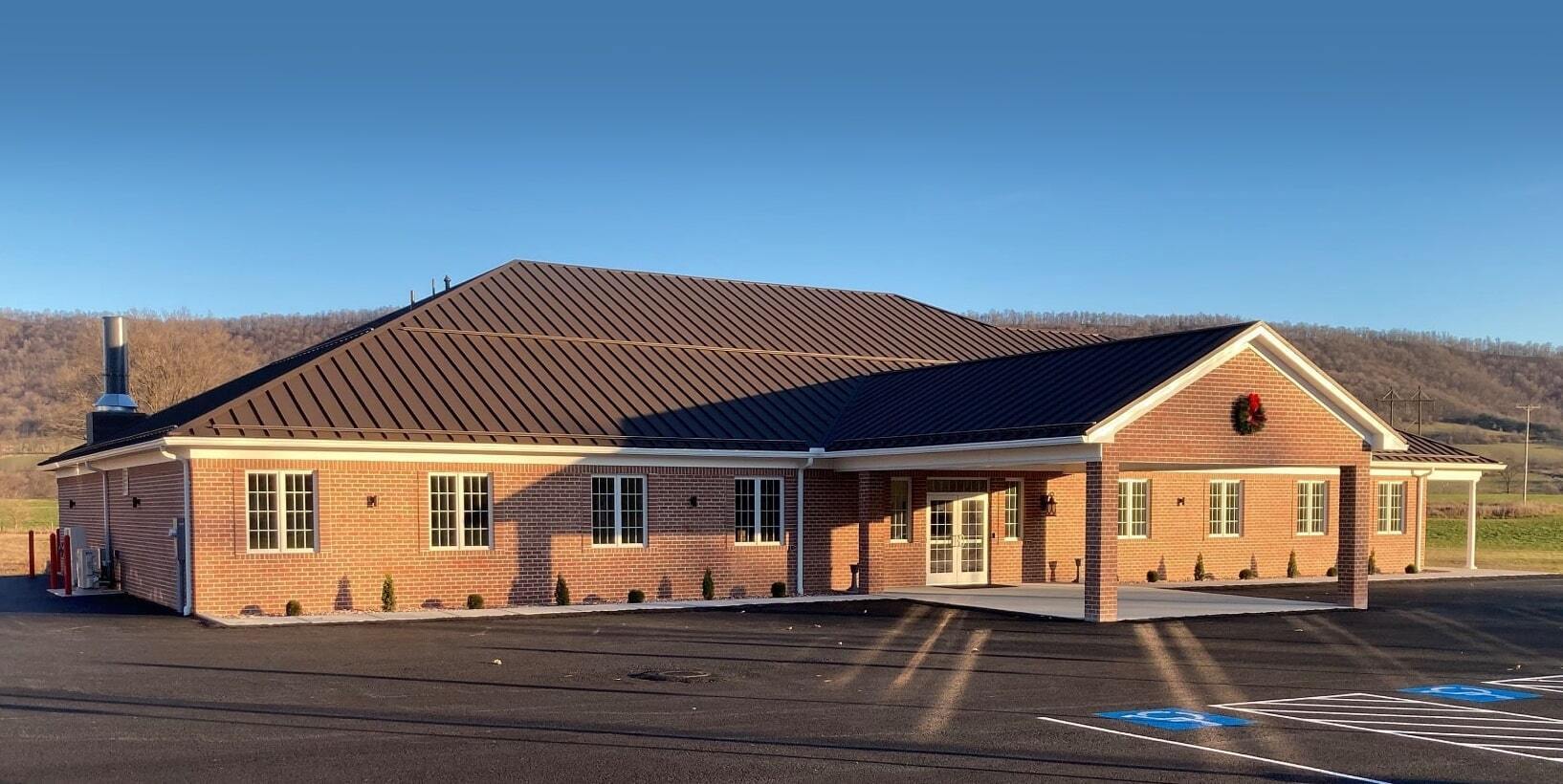 Building
Funeral Home & Mortuary Roofing
Funeral Home & Mortuary Roofing needs a roof scope that fits the building's schedule, access, equipment, and occupants.
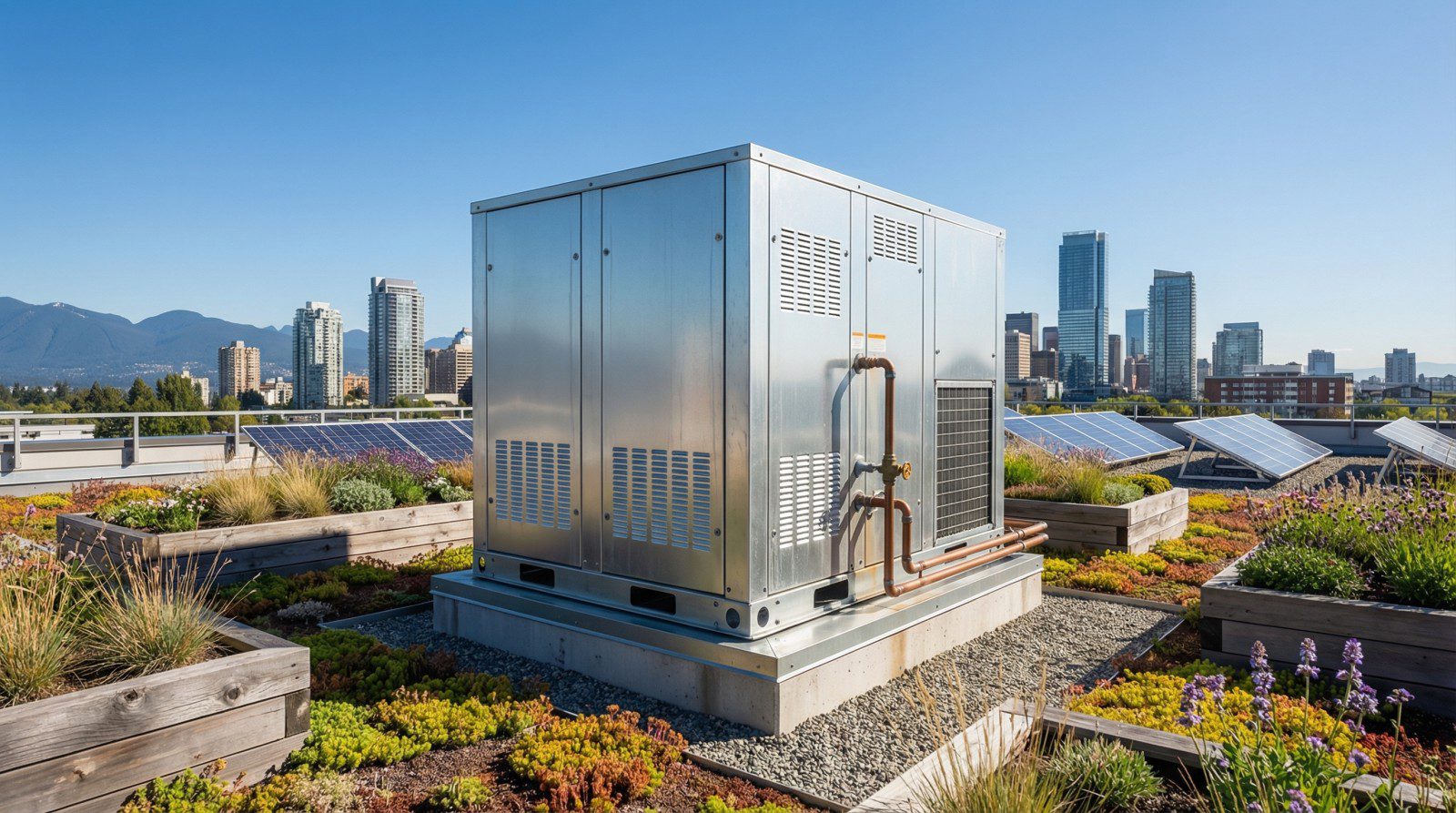 Building
Quick-Service Restaurant & Fast-Food Roofing
Quick-Service Restaurant & Fast-Food Roofing needs a roof scope that fits the building's schedule, access, equipment, and occupants.
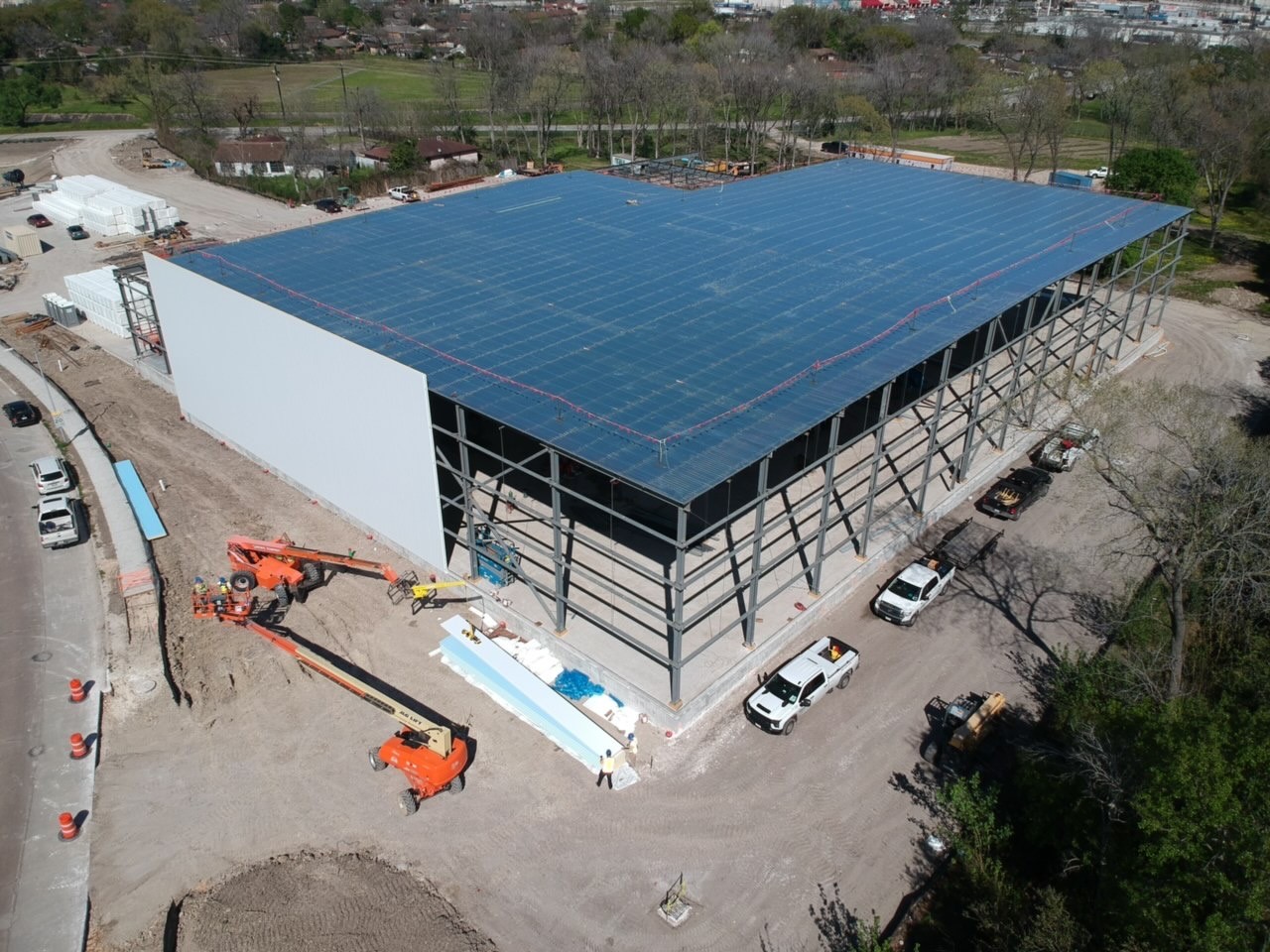 Building
Cold Storage Roofing
Cold Storage Roofing needs a roof scope that fits the building's schedule, access, equipment, and occupants.