
Pharmaceutical & Lab Roofing in Chattanooga, TN
Pharmaceutical & Lab Roofing starts with roof evidence before repair, restoration, recover, or replacement decisions are made.
Building
Protect the operation below
Pharmaceutical and Laboratory Roofing in Chattanooga
A roof over a pharmaceutical or laboratory building is not protecting inventory you can re-order. It is protecting cleanroom environments, compounding suites, clinical instruments, and cold storage where a single leak can mean a quarantined batch, a notified regulator, and remediation costs that make the roofing project look like a rounding error. Chattanooga's research and life-science footprint has grown alongside the Innovation District downtown, the lab and biotech tenants connected to the University of Tennessee at Chattanooga and Erlanger's medical campus, and the specialized manufacturing and quality-control facilities out along the Bonny Oaks and Volkswagen Drive industrial corridors. The buildings differ, but the standard is the same: the roof cannot leak over anything sensitive, and the work to maintain it has to respect how a regulated facility operates.
We approach these projects knowing that ordinary commercial risk tolerance does not apply. The deck under a cleanroom is not a place where a small ponding issue or a marginal flashing detail can be left for next year. We plan the scope to remove leak risk over critical spaces entirely, and we build the documentation a quality team expects to see at closeout rather than scrambling to assemble it after the fact.
Access and Credentialing Come First
On a pharmaceutical campus, a crew that shows up without cleared credentials is a wasted mobilization at best and a compliance event at worst. Facilities handling controlled substances, active manufacturing, or restricted research carry access protocols that govern who is on site, when, and with what badging or escort. We start that coordination during preconstruction, several weeks ahead of mobilization, so the full crew is cleared before day one. Escort requirements, restricted-area boundaries, and any background-check steps go into the preconstruction plan in writing so there are no surprises at the gate.
Cleanroom HVAC and Pressure Differentials
The mechanical density on a lab roof is unlike a normal building. You have HVAC dedicated to holding ISO-classified cleanroom conditions, building-automation conduit, and equipment that maintains tight pressure relationships between adjacent spaces. The cleanrooms below depend on those pressure differentials staying within tolerance, and roofing work near a supply or exhaust connection can disturb them if it is done carelessly. We coordinate penetration work near critical HVAC with the facility's mechanical team, schedule it into planned maintenance windows where we can, and confirm that pressure recovers and that no dust or debris has migrated into the air paths above the cleanroom envelope before we consider the area closed out.
Corrosive Exhaust and Membrane Compatibility
Laboratory exhaust is its own membrane problem. Fume-hood and process exhaust stacks vent solvents and acids that can condense on the stack exterior and drip onto the surrounding membrane, etching it in a pattern no standard warranty will cover. The fix starts with knowing the exhaust chemistry. We work with the facility's engineers to identify what is actually venting from each stack, check that against the membrane manufacturer's chemical-resistance data, and specify a more chemically robust membrane in the zones immediately around those stacks. PVC is the workhorse for most lab and pharmaceutical roofs because of how it handles chemical contact; standard TPO has no business sitting next to a solvent or acid exhaust outlet.
Vibration Isolation and Sensitive Instruments
Analytical labs run instruments that are sensitive to vibration, and the rooftop mechanical that serves them can be a source of it. When we set or re-flash equipment curbs over lab space, we coordinate with the facility's engineers so vibration isolation is preserved and our work does not introduce a new path for mechanical noise into a room running an electron microscope, a mass spectrometer, or a precision balance. It is the kind of consideration that never comes up on a warehouse roof and is routine on a research building.
Leak Detection Before a Leak Ever Reaches the Lab
Over the most sensitive spaces, finding a leak after it has dripped onto an instrument is already a failure. On critical lab and cleanroom areas we can incorporate electronic leak-detection or vector-mapping capability into the assembly so a breach in the membrane is located and pinpointed before water tracks through the deck to the room below. For a building where a single leak event can quarantine product or take an instrument offline, designing the roof so it can be tested and monitored non-destructively is worth the added cost. It also gives the facility a way to verify integrity after any future rooftop work without cutting test squares into a warranted membrane.
Cold Storage, Vapor Drive, and the Closeout Package
Many of these buildings include refrigerated vaults or cold rooms for stability storage and reagents. Roof assemblies over those spaces have to manage vapor drive so condensation does not form inside the assembly and quietly corrode the deck with no visible leak at the surface. Chattanooga's humid climate sets the direction and intensity of that vapor drive, and a tapered insulation and vapor-control design that ignores local conditions is how you end up with a saturated assembly over a space that has to stay dry and cold.
Closeout on a regulated facility is a deliverable in its own right. Quality teams typically want contractor qualification records, the site safety plan, reviewed material submittals, daily work reports, manufacturer installation documentation, any required FM or UL system certification, and the warranty registration, all formatted to flow through their document-control system. We build that package as the work proceeds and submit it the way the facility's quality group needs to receive it. Biotech and university research buildings add the wrinkle of multiple lab suites with their own HVAC and biosafety exhaust, and we are comfortable coordinating with environmental-health-and-safety and biosafety committees to keep each program's space protected.
Phased Work That Respects Validated Spaces
You cannot simply shut down a validated production suite or a stability chamber because the roof above it needs work. The cost and time to requalify a space after an interruption can dwarf the roofing scope, so we phase the project around which areas can tolerate disturbance and when. We sequence tear-off and dry-in so no validated space is ever left exposed, confirm a watertight condition over critical areas before each day closes, and time anything that touches a suite's mechanical envelope to the facility's own maintenance and shutdown calendar. The goal is a finished roof with no qualification event attached to it. If you manage a pharmaceutical, biotech, or clinical lab roof in Chattanooga, we will assess it under a confidentiality posture and give you a scope that holds up to your own audit.
Planning checkpoints
The building use matters
Condition
Pharmaceutical & Lab Roofing work starts with the affected roof area, water path, membrane condition, and interior evidence.
Operations
Work windows, tenant protection, loading paths, and safety expectations need to be named early.
Options
Repair, maintenance, coating, recover, and replacement should be compared without blurring the tradeoffs.
Next Step
A concise field record helps ownership decide what needs immediate action and what belongs in planning.
Related roof paths
Keep exploring
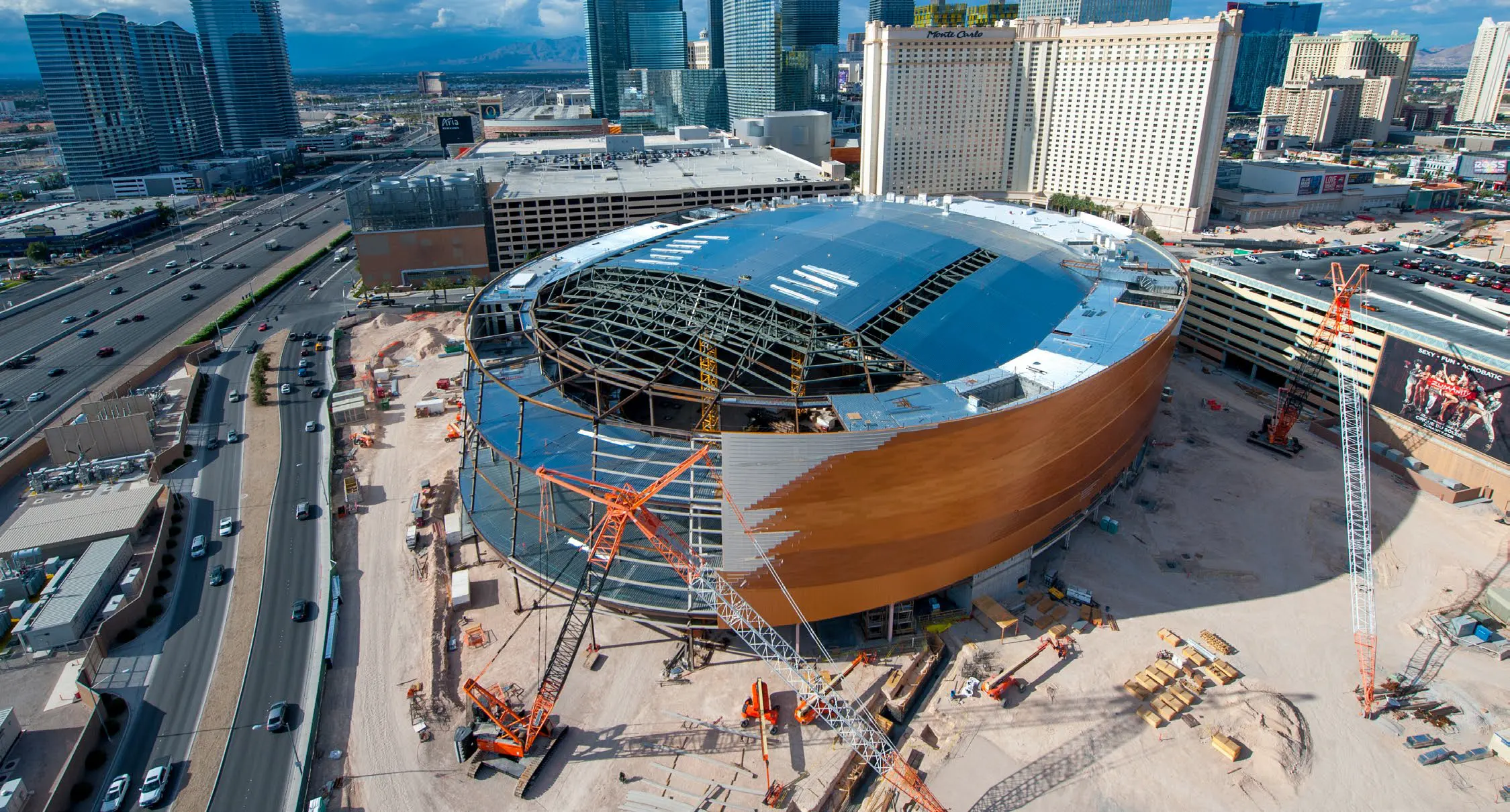 Building
Stadium & Arena Roofing
Stadium & Arena Roofing needs a roof scope that fits the building's schedule, access, equipment, and occupants.
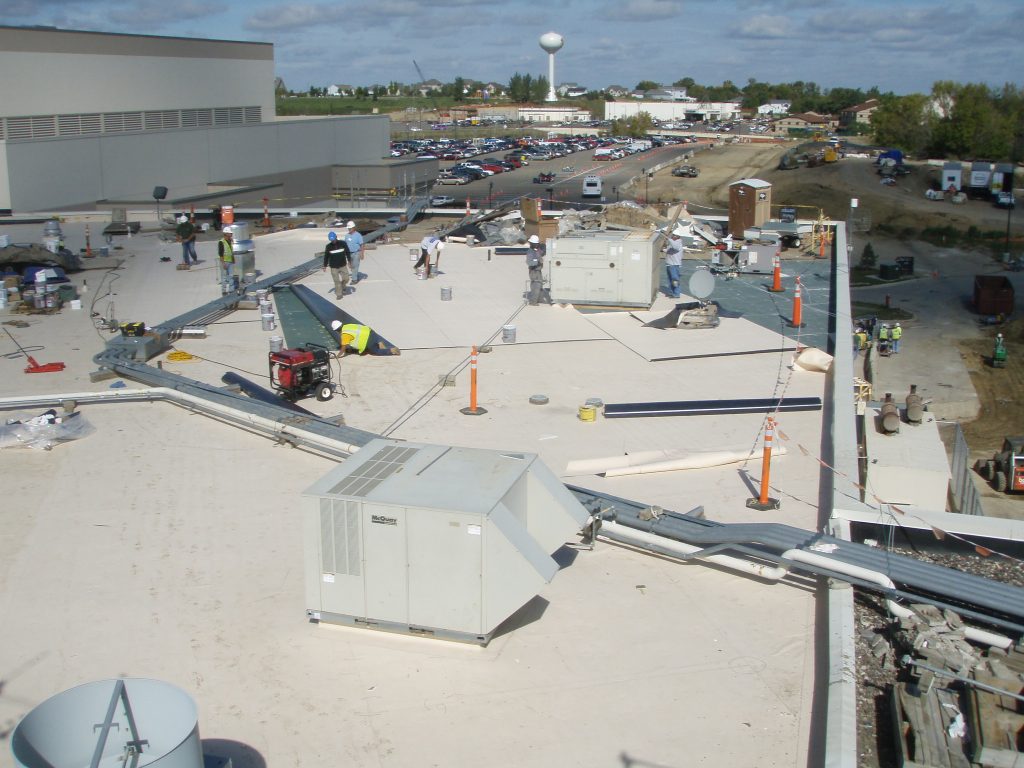 Building
Casino & Entertainment Complex Roofing
Casino & Entertainment Complex Roofing needs a roof scope that fits the building's schedule, access, equipment, and occupants.
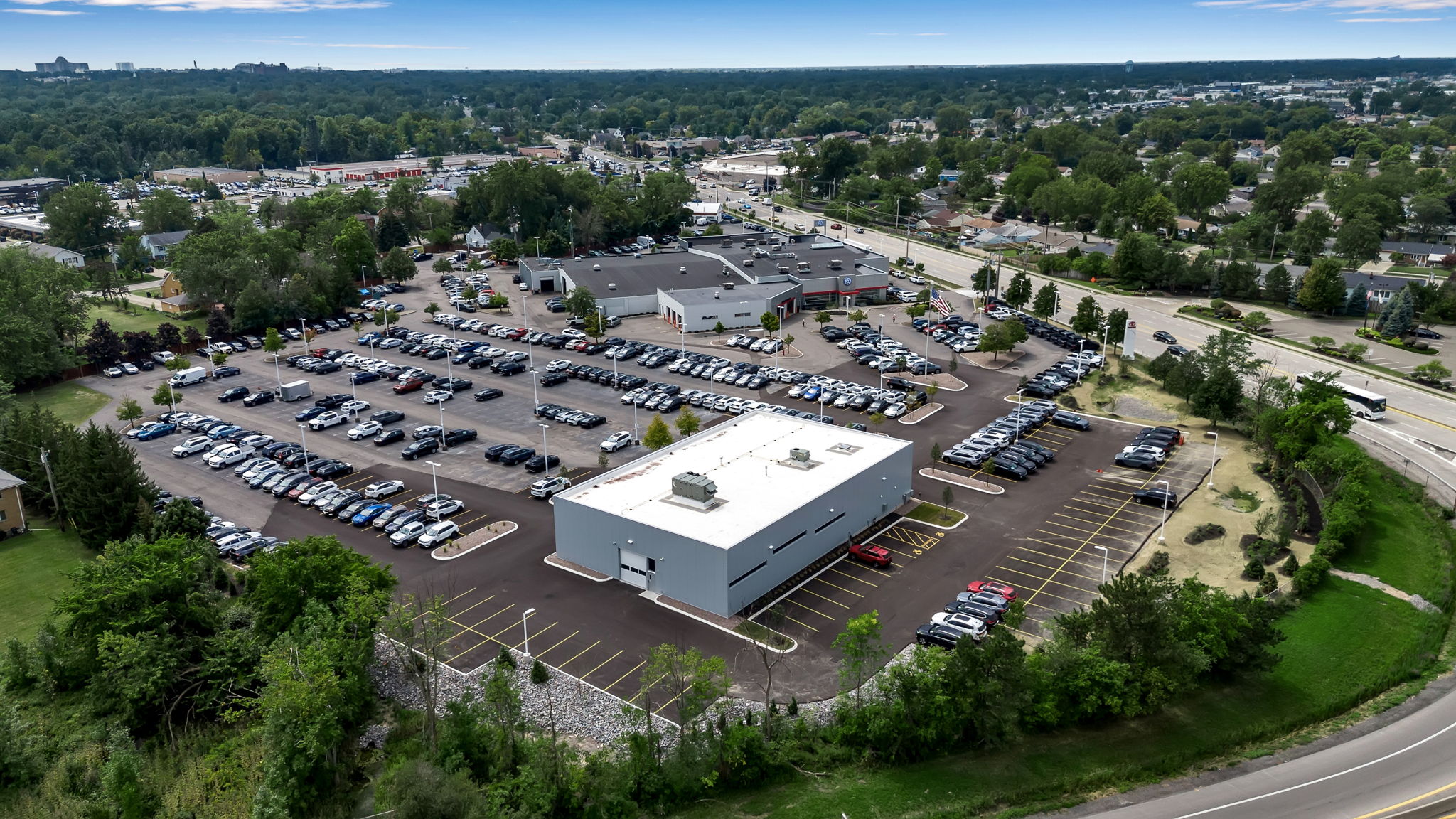 Building
Auto Dealership Roofing
Auto Dealership Roofing needs a roof scope that fits the building's schedule, access, equipment, and occupants.