
Humidity & Moisture Damage Roof Repair in Chattanooga, TN
Humidity & Moisture Damage Roof Repair starts with roof evidence before repair, restoration, recover, or replacement decisions are made.
Roof Work
Document the roof before choosing the scope
The Leak That Never Came From The Sky
Some of the worst roof damage we find in Chattanooga never started with rain. It started inside the building. Moisture in the air, pushed up through the roof assembly from a humid, conditioned space below, condenses inside the insulation when it reaches a cooler surface, soaks the boards, blisters the membrane from underneath, and corrodes the steel deck over years — all without a single hole in the sheet above. By the time it shows up as a soft spot, a ridge in the membrane, or a blister, the wet area is usually far larger than what is visible, and the assembly is compromised across a chunk of the roof rather than at one tidy point. This is humidity damage, and it behaves nothing like storm or wear damage.
It is a common failure mode here because of what sits under these roofs. The Sequatchie Valley and the Tennessee River keep summer humidity high, and the buildings that suffer most are the ones running wet interiors against that climate: food and beverage production, cold storage and distribution along the Bonny Oaks Drive and Enterprise South corridors, laundries, indoor pools and locker rooms at schools and rec centers, and manufacturing off Amnicola Highway where process steam and washdown load the air. Push that interior moisture into a roof assembly whose vapor control was designed wrong or has failed, and the assembly works against the building physics instead of with it.
Vapor Drive, And Why The Barrier's Position Matters
In a climate like Chattanooga's, with hot humid summers, the dominant vapor drive for much of the year runs upward — moisture vapor moving from the warm, humid interior toward the cooler outside. A vapor retarder controls that drive, but only if it is on the warm side of the assembly, below the insulation. When the retarder is missing, torn, or specified above the insulation where it does no good, vapor passes freely up into the insulation, hits a cold surface, and condenses there. We see the same story repeatedly: a roof recovered or replaced without ever correcting the vapor layer, then re-saturating within a few seasons because the underlying physics was never addressed. Putting a new membrane over a misspecified assembly without fixing vapor control just rebuilds the same failure.
Infrared First, Then Cut To Confirm
You cannot fix what you cannot see, and humidity damage hides below the surface. Infrared moisture scanning is the standard diagnostic, and we fly or walk it during the cool-down after sunset when the contrast is highest. Wet insulation has more thermal mass than dry insulation around it, so it holds the day's heat longer and reads as a warm zone in the infrared while the membrane above looks fine. A thermal scan alone is an indicator, not proof, so we confirm every flagged area with physical core cuts that show the actual insulation condition, the deck beneath it, and whether a vapor retarder is present and where. On buildings without a documented moisture survey in the last few years, that scan is the first thing we do before pricing anything.
What Humidity Damage Looks Like Up Close
The patterns repeat across Chattanooga's commercial roofs. Single-ply membranes blister where vapor pressure builds beneath the sheet and lifts it off the substrate. Membranes ridge and wrinkle as saturated insulation swells and the boards lose their flat bearing. Tapered insulation compresses under the weight of held water and loses the slope-to-drain it was cut for, so ponding gets worse and feeds the cycle. Edge metal and coping fasteners corrode where moisture migrates to the perimeter, loosening the terminations that hold the roof down. And in buildings that have run with wet insulation through several roof cycles, the steel deck itself corrodes and perforates. We document all of it during the assessment and write the remediation into the scope, rather than uncovering it as a surprise at tear-off.
Repair Where We Can, Replace Where We Must
Localized humidity damage — discrete wet zones confirmed by the scan and core cuts, with sound dry insulation around them — is a candidate for a targeted cut-and-patch. We remove the saturated insulation down to the deck, replace it with new dry board to the original thickness so the slope is restored, weld the membrane back in over the repair, and re-seal the affected flashings and edge metal. Where the wet area covers a large share of the roof, or where the deck has corroded enough to matter structurally, repair stops making sense and full replacement is the honest call. Either way, we correct the vapor control as part of the work, because a perfect new membrane over an uncorrected vapor problem just resets the clock on the same damage. We hand you the survey report and a side-by-side of repair versus replacement so the decision is yours and informed.
Why Catching It Early Is Worth So Much
Humidity damage does not hold still. Wet insulation has almost no thermal resistance, so the building bleeds conditioned air through the roof and the HVAC works harder and costs more every month it goes unaddressed. Steel corrodes faster the longer it stays wet. A roof with a modest wet area left alone for a couple of seasons can show far broader saturation at the next look, and a manageable repair turns into a full replacement with deck work attached. Finding it while it is still a patch is the difference between a contained cost and a capital project, and that is exactly what the scan-and-core approach is built to do.
Humidity & Moisture Damage Repair Questions
How do you find moisture that isn't visible from the roof surface?
Infrared thermal scanning is the standard approach. We scan after sunset when the contrast between wet and dry insulation is highest — wet insulation holds the day's heat longer and reads as a warm zone in the infrared even when the membrane above looks intact. We then confirm every flagged area with core cuts that reveal the real insulation condition, deck state, and vapor retarder placement, so the findings are verified rather than assumed.
What traps moisture inside the assembly in a humid climate?
Vapor drive from the conditioned interior pushes moisture up through the roof. If the vapor retarder is positioned above the insulation rather than below it, or is torn or missing, that vapor condenses inside the insulation when it hits a cooler surface. Over time the trapped water saturates the boards, corrodes the steel deck, and blisters the membrane from underneath — all without rain ever penetrating the sheet.
Can a humidity-damaged roof be repaired instead of replaced?
If the wet areas are discrete and confirmed by scan and core cuts with sound dry insulation around them, yes — we cut out the saturated board, replace it with new dry material to restore the slope, weld the membrane back over it, and re-seal the flashings and edge metal in that zone. Full replacement becomes the right call when the wet area covers a large share of the roof or the deck has corroded structurally. We give you the survey report and a repair-versus-replace comparison once the diagnostic is done.
How fast does humidity damage get worse if we wait?
Steadily, and it compounds. Wet insulation gives no thermal resistance, so HVAC costs climb, and constant moisture accelerates deck corrosion. A roof with a modest wet area left for a couple of seasons can present far broader saturation at the next inspection, turning a contained repair into a full replacement with deck remediation attached.
Will fixing the membrane stop the problem from coming back?
Not by itself. If the vapor control that caused the damage isn't corrected, a new membrane just re-saturates within a few seasons. That is why we address vapor retarder placement as part of any humidity repair or replacement, so the assembly finally works with the building physics instead of against it.
Planning checkpoints
From urgent response to responsible scope
Condition
Humidity & Moisture Damage Roof Repair work starts with the affected roof area, water path, membrane condition, and interior evidence.
Operations
Work windows, tenant protection, loading paths, and safety expectations need to be named early.
Options
Repair, maintenance, coating, recover, and replacement should be compared without blurring the tradeoffs.
Next Step
A concise field record helps ownership decide what needs immediate action and what belongs in planning.
Related roof paths
Keep exploring
 Roof Work
Industrial Roofing
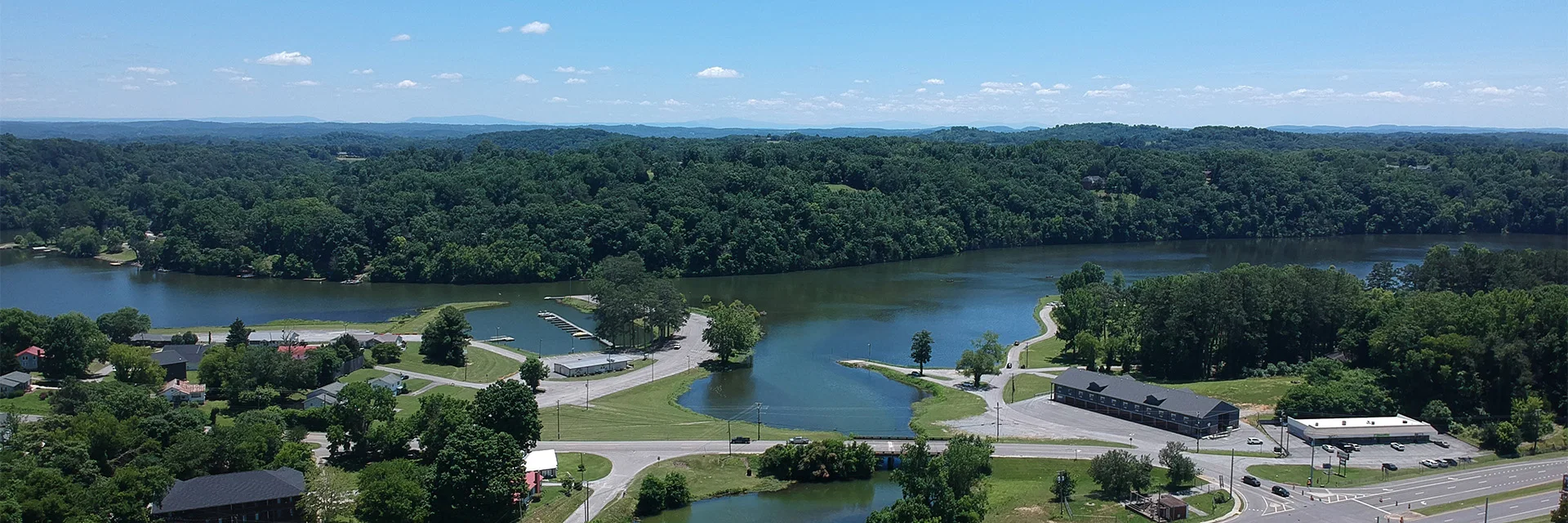
Industrial Roofing support covers access, staging, drainage, and roof traffic for Chattanooga commercial buildings.
 Roof Work
Healthcare Facility Roofing
Healthcare Facility Roofing support covers tenant communication, rooftop equipment, and dry-in timing for Chattanooga commercial buildings.
 Roof Work
Solar Roof Integration
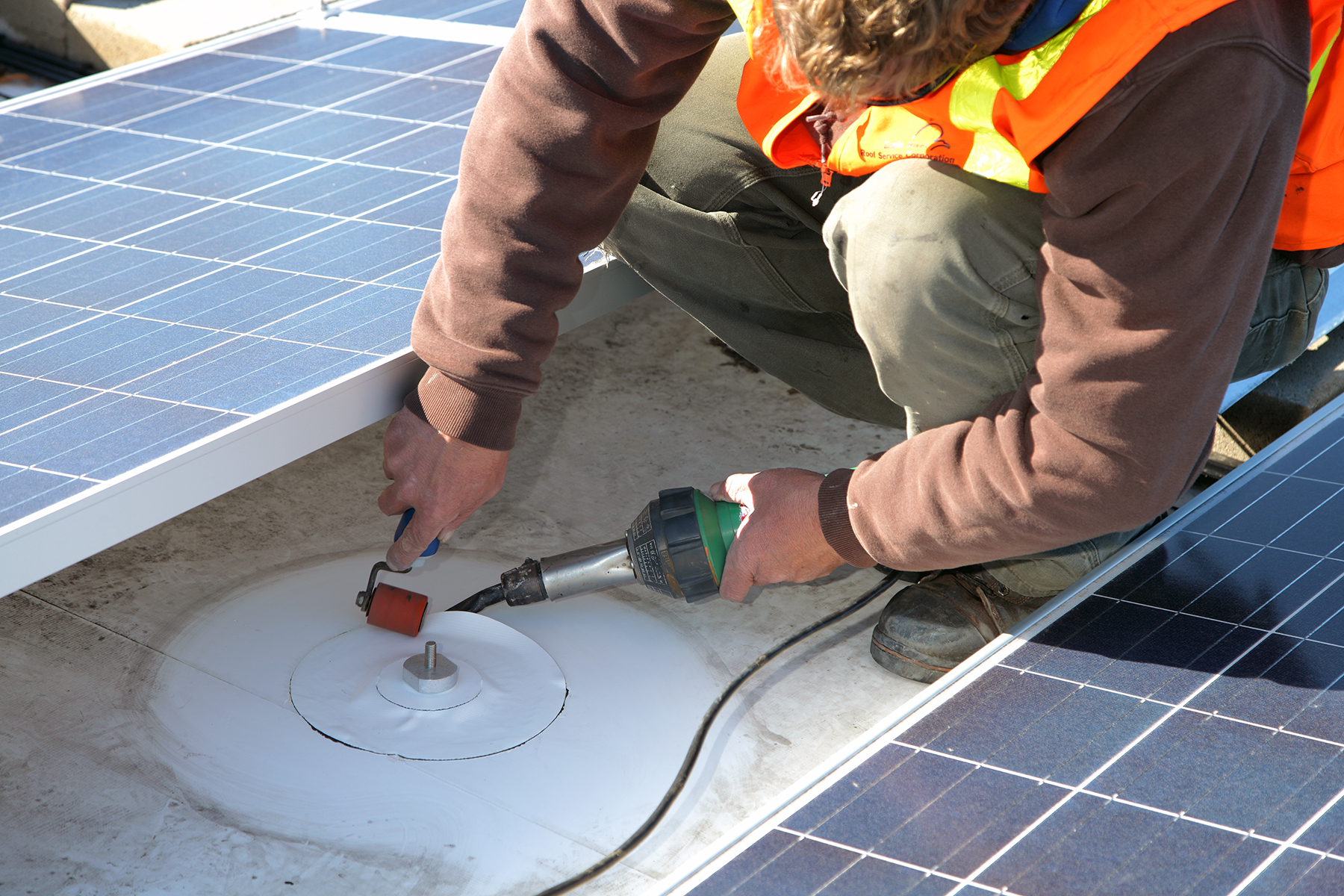
Solar Roof Integration support covers moisture review, edge conditions, and practical budget timing for Chattanooga commercial buildings.