
Movie Theater & Cinema Roofing in Chattanooga, TN
Movie Theater & Cinema Roofing starts with roof evidence before repair, restoration, recover, or replacement decisions are made.
Building
Protect the operation below
Movie Theater and Cinema Roofing in Chattanooga
A multiplex roof looks like a big flat box from the parking lot, but structurally it is one of the more demanding low-slope buildings a commercial roofer takes on. The whole point of a cinema auditorium is an unobstructed view, which means long clear-span decks with no intermediate columns. An eight- to twelve-screen house can carry spans of eighty to a hundred and fifty feet across each auditorium bay, and those spans deflect under load in ways the fastening pattern off a strip-retail template was never meant to handle. Chattanooga's moviegoing is concentrated in the Hamilton Place and Gunbarrel Road retail belt on the east side, with additional houses serving Hixson and the downtown and Northshore entertainment districts, and the buildings range from modern stadium-seating multiplexes to older converted houses. We spec fastener density and insulation attachment off the actual deck type and span, not a generic number.
The other defining feature is the mechanical density. Every auditorium needs its own conditioning, frequently a dedicated rooftop unit per screen, and that sits alongside concession exhaust, lobby heating vents, and the condensers serving walk-in coolers for the food operation. The penetration cluster over a typical Chattanooga multiplex rivals what you would find on a hospital. Each curb, duct, and conduit run gets flashed and documented on its own before new membrane goes over it, because a missed detail in that cluster is exactly where the next leak starts.
Sound, Insulation, and the Clear-Span Deck
Auditoriums are built to keep the bass from one screen out of the next, and the roof assembly is part of that envelope. The insulation package does double duty: it meets the thermal and energy requirements while contributing to the acoustic separation that keeps a quiet drama from sharing a wall, and a ceiling, with an action picture. When we recover or replace a theater roof we keep that acoustic function intact rather than treating the assembly as thermal-only. We also pay attention to deflection on the long spans, because a fastening approach that concentrates point loads at the seams behaves differently over a flexing hundred-foot deck than it does over a short retail bay.
Deck Type Drives the Attachment
Cinema construction is usually steel deck or concrete over structural steel, and the substrate dictates the approach. Steel deck takes mechanical attachment directly, but the rib depth and gauge matter: shorter ribs on older deck have lower pull-out values than modern three-inch rib, so we verify the deck and run pull testing before committing to a fastener pattern. Concrete decks point toward adhered or, where the structure allows, ballasted systems. On any reroof we start with a core sample to confirm the existing insulation layers, the moisture content, and the total weight in place before we decide between a recover and a full replacement.
Drainage on a Flat Theater Roof
Decades-old multiplex roofs almost always have drainage that has drifted out of true, and Chattanooga's heavy summer downpours expose it fast. Tapered polyiso is how we correct the ponding that accumulates over the years, and it pays for itself by keeping standing water off a membrane that lasts far longer dry. White TPO on top of that taper also satisfies the cool-roof energy provisions most jurisdictions now apply to commercial reroof permits.
The Projection Booth and Equipment Above the Screen
Modern digital projection and the audio racks that drive a premium-format auditorium are sensitive electronics sitting in the booth and the spaces behind the screen wall, directly under the roof. A leak in those areas does not just stain a ceiling tile, it threatens projectors and processors that take a screen dark until they are replaced. We pay particular attention to the membrane and flashing condition over the booth runs and the head-end of each auditorium, and we route any new conduit or equipment penetrations for the building's AV and IT systems through properly flashed details rather than the field-cut holes we often find from past upgrades.
Condensation Above a Dark, Cooled Auditorium
An auditorium is held cool and dark for hours at a time while a packed house adds heat and humidity, and then it cycles between full and empty several times a day. That swing, combined with Chattanooga's humid summers, makes the underside of a poorly designed roof assembly a place where condensation can form and drip onto seating, acoustic panels, or the screen itself. We design the insulation and any vapor control to keep the dew point out of the assembly so the building does not generate its own interior rain on a hot July afternoon. It is a subtle failure mode that gets misdiagnosed as a roof leak when the membrane is actually intact, and we know to look for it on cinema buildings specifically.
Cinemas run from the early afternoon into the late night, seven days a week, which gives the building scheduling constraints closer to a 24-hour operation than a 9-to-5 one. We sequence tear-off and dry-in so every section is watertight before evening screenings begin, and we coordinate with facilities on any HVAC shutdown windows needed for curb or penetration work. Loading-dock access for the mechanical contractors, marquee and sign conduit, and evening foot traffic at the entrances all factor into how we stage crews and material so the work stays clear of the opening routine.
The marquee and entry canopies deserve specific mention. The points where sign supports or canopy framing penetrate the membrane are individual flashing items, and the canopy-to-building transition at the entrance is one of the most common chronic leak sources on older theaters. We evaluate and re-flash those connections as part of every cinema roof we do here. Pricing is per roof square once we have walked the roof and reviewed a core, with the tapered insulation package called out separately so you can see what it buys you. If you own or operate a theater in the Chattanooga area, we will give you a fixed-price proposal fit to your screening schedule.
Planning checkpoints
The building use matters
Condition
Movie Theater & Cinema Roofing work starts with the affected roof area, water path, membrane condition, and interior evidence.
Operations
Work windows, tenant protection, loading paths, and safety expectations need to be named early.
Options
Repair, maintenance, coating, recover, and replacement should be compared without blurring the tradeoffs.
Next Step
A concise field record helps ownership decide what needs immediate action and what belongs in planning.
Related roof paths
Keep exploring
 Building
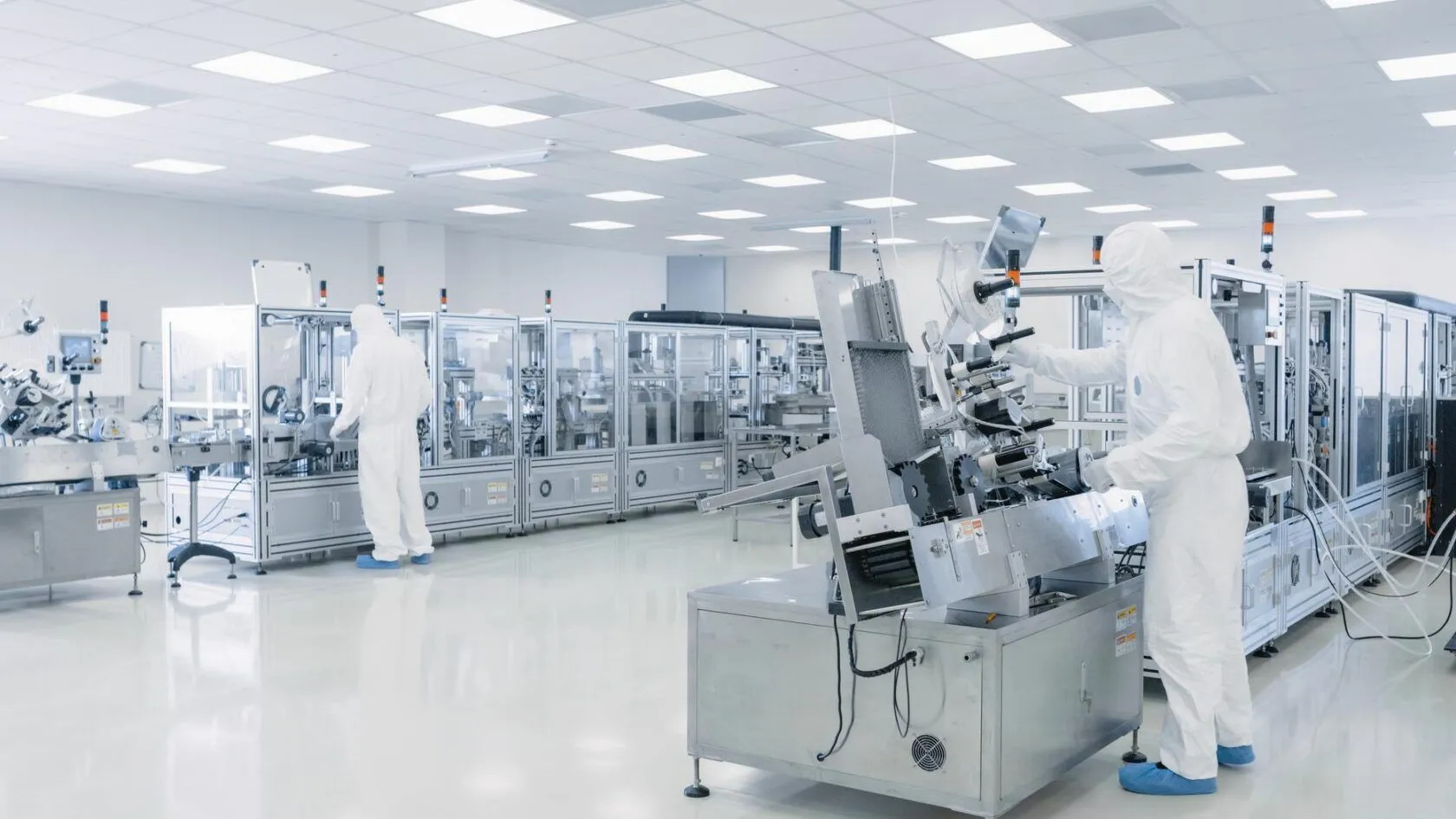
Pharmaceutical & Lab Roofing
Pharmaceutical & Lab Roofing needs a roof scope that fits the building's schedule, access, equipment, and occupants.
 Building
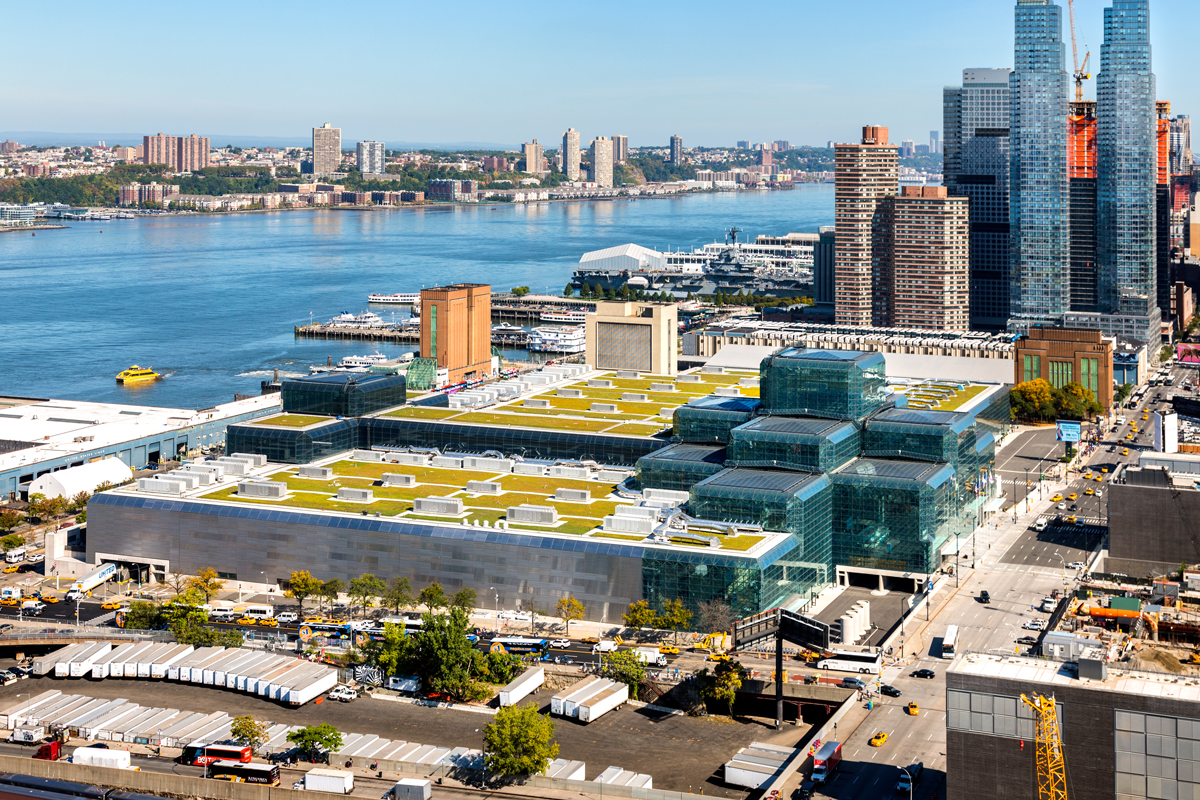
Event Venue & Convention Center Roofing
Event Venue & Convention Center Roofing needs a roof scope that fits the building's schedule, access, equipment, and occupants.
 Building
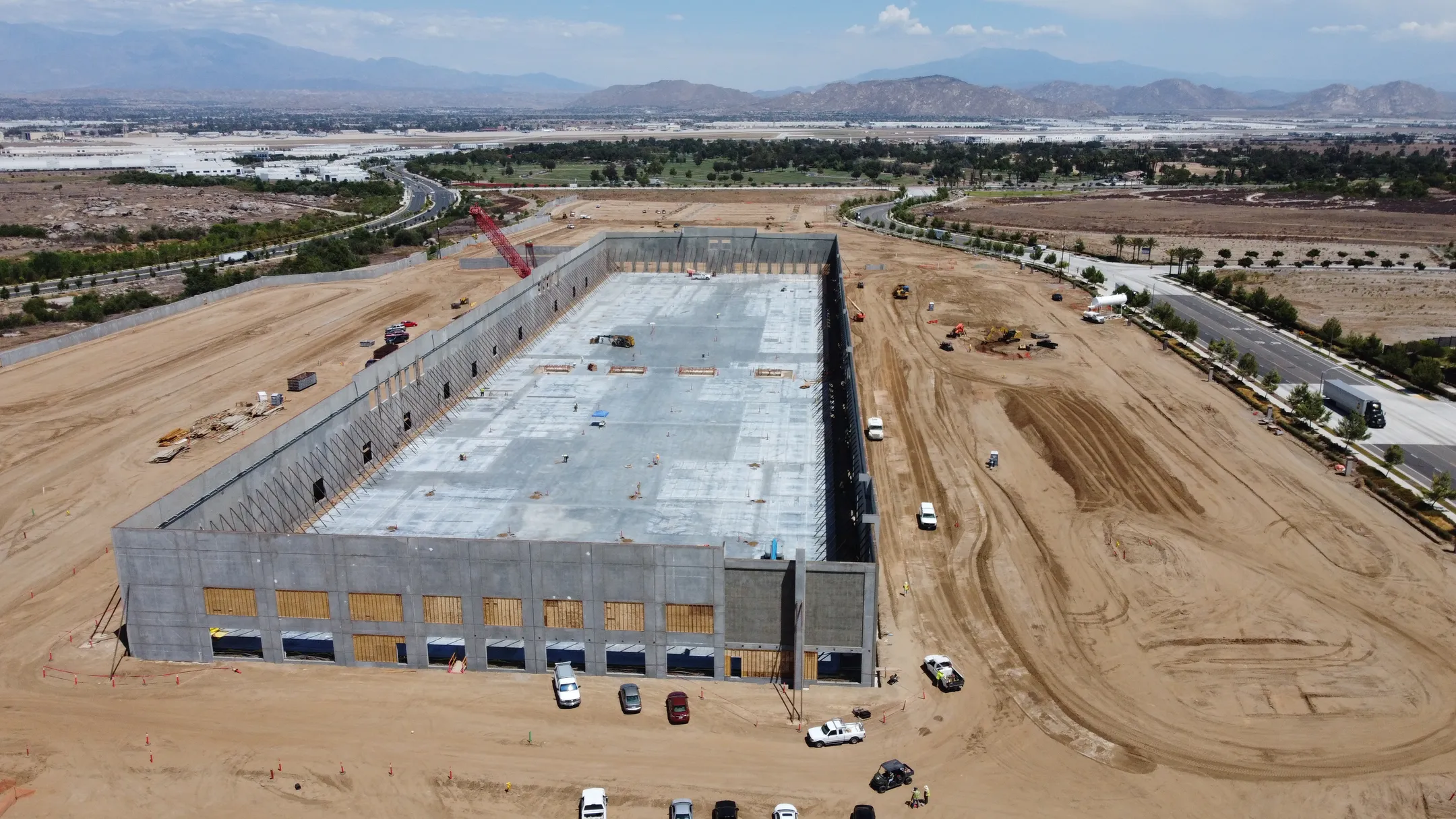
Warehouse Roofing
Warehouse Roofing needs a roof scope that fits the building's schedule, access, equipment, and occupants.